Joel Sotelo Flores

Computational & Physical Volcanology

I use computer vision and physics to create software that extracts quantitative measurements from volcanic imagery and micro-CT data, with interests in eruption dynamics, textural analysis, and igneous petrology.

Washington and Lee University

B.S. Physics · B.S. Earth and Environmental Geoscience

Expected June 2027 · Lexington, Virginia

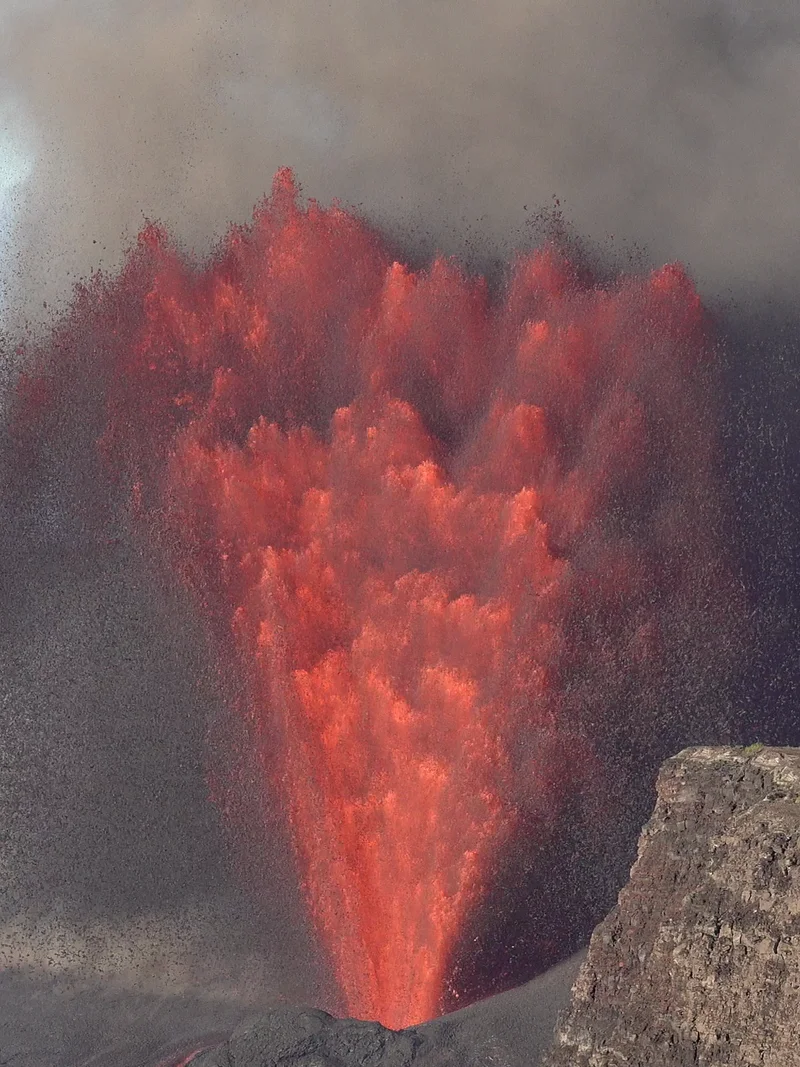
Daytime frame showing an active Kīlauea lava fountain viewed from the Kīlauea Overlook.
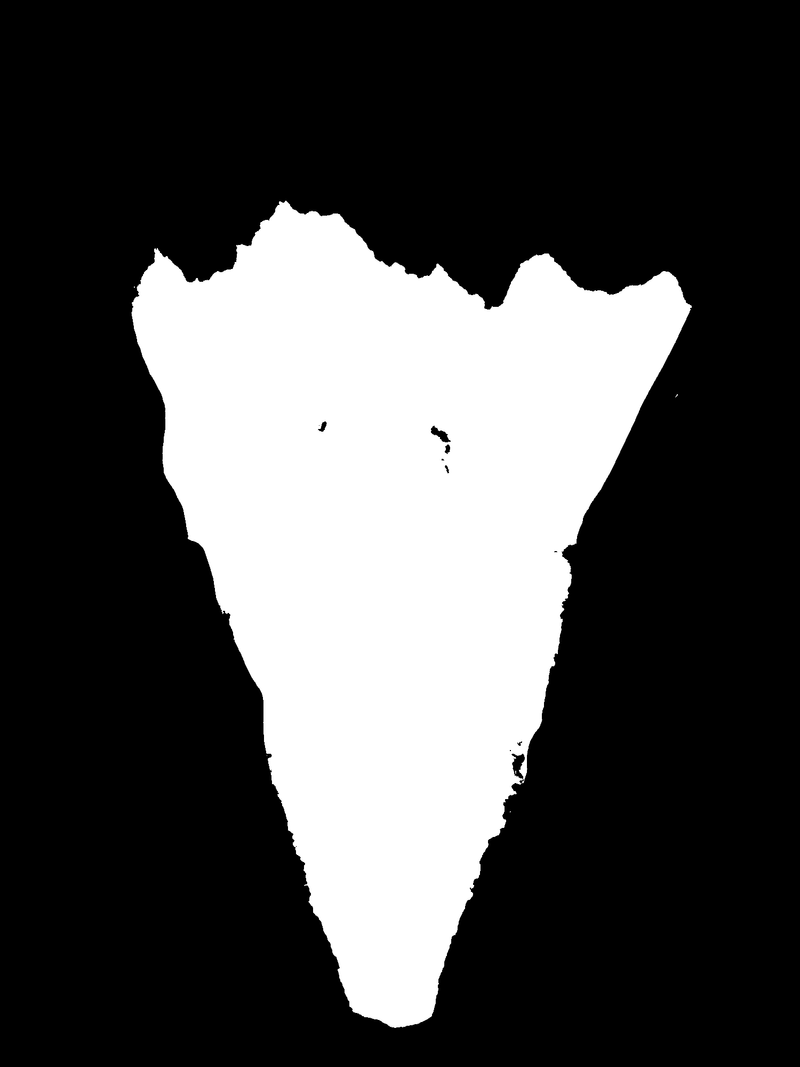
Binary segmentation mask isolating the lava-fountain region in the corresponding daytime Kīlauea frame.
Daytime Kīlauea lava-fountain frame and its aligned binary segmentation mask.

Kīlauea Lava-Fountain Computer Vision

I am developing a computer-vision pipeline to segment Kīlauea lava-fountain video and support quantitative extraction of eruption parameters such as fountain height, projected areas, and eruption rates from field footage. The project combines U-Net machine-learning segmentation, manual labeling, dataset preparation, metadata organization, and field video collection under variable lighting, viewing geometry, and field conditions.
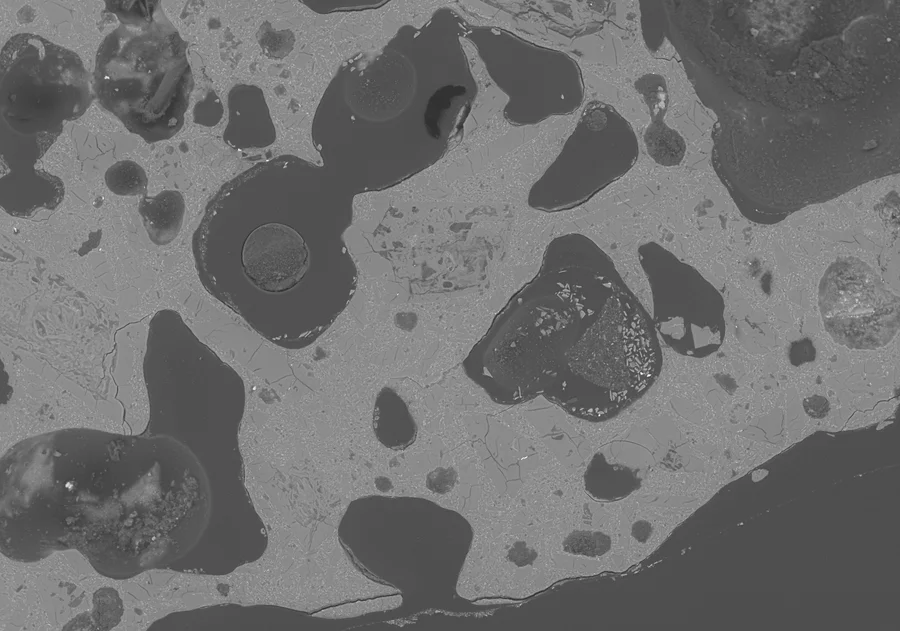
Grayscale scanning electron microscope image showing vesicles and solid material in a pyroclast sample.
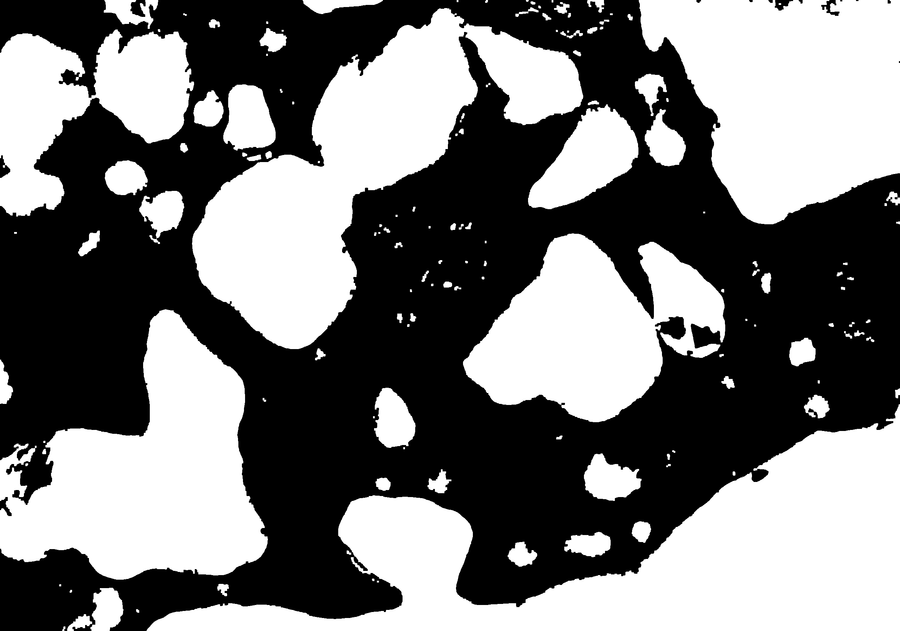
Binary PyRO-FOAMS segmentation mask corresponding to the original SEM image.
Original SEM image and aligned binary segmentation produced with PyRO-FOAMS.

Kawah Ijen Pyroclast Micro-CT and Pore-Network Analysis

I conduct computational volcanology research on pyroclastic micro-CT volumes from the 1817 Kawah Ijen eruption. The work uses U-Net-based deep-learning segmentation, stereometric analysis, Dragonfly, OpenPNM, electron microprobe data, and scanning electron microscopy to investigate vesicularity, pore connectivity, permeability, anisotropy, mineral chemistry, fractionation trends, and pressure-temperature constraints.

Research interests

Physical volcanology

I like stretching out physics and theory to their limits to better understand volcanic processes. I like fun particle and nuclear interactions especially, such as Micro-CT, EPMA, and Raman (although the last two are chemical, the physics behind it is so awesome).

Igneous petrology

I really enjoyed our petrology and crystallography courses, and would love to explore igneous petrology further! I've always wanted to see how far we could push automated crystal identification in XPL and PPL images using computer vision techniques. I'm also curious about petrology and crystallography in 3D sections as well, resolving structures in ways that thin section cannot.

Textural analysis

I would love to explore the small-scale textures and structures within volcanic rocks, connecting them to the underlying physical processes. Bubbles are incredibly interesting features in how fundamental they are to eruption dynamics, and I would love to explore and pick them apart deeper.

Computational methods

I like to explore heavy computational methods for getting the most out of datasets. I like automating systems that have large manual bottlenecks in areas like segmentation, classification, and analysis.

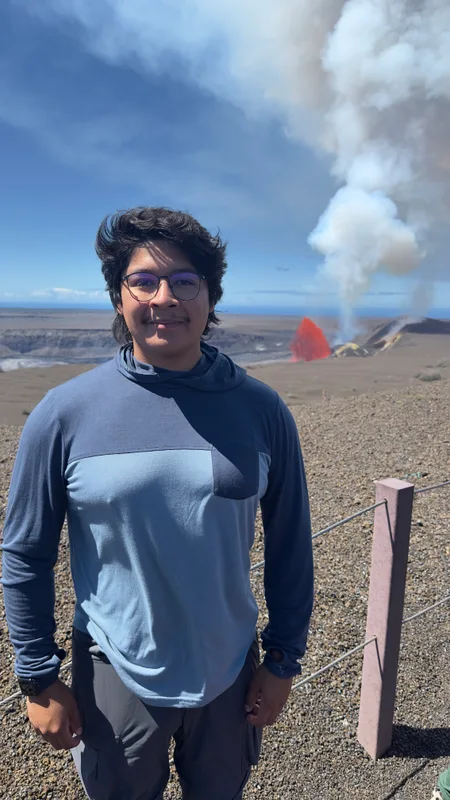
Joel Sotelo Flores standing in front of the Kīlauea volcanic landscape.

About

Pushing the boundaries of how much we can learn from eruptions through machine learning and simulation.

I am a physicist-turned-volcanologist trying to use my computational skills to advance the scales of studies we can do, and strive to gain new insights into volcanic processes; from deep-earth processes to the surface.

About →

Publication

New Measurements and Proposed Orbital Parameters for WDS 03575-0110 using Desmos Fitting

Journal of Double Star Observations, vol. 21, no. 2, pp. 182-189

All publications →

Get in touch

Questions about computational volcanology, scientific image analysis, or research software are welcome.